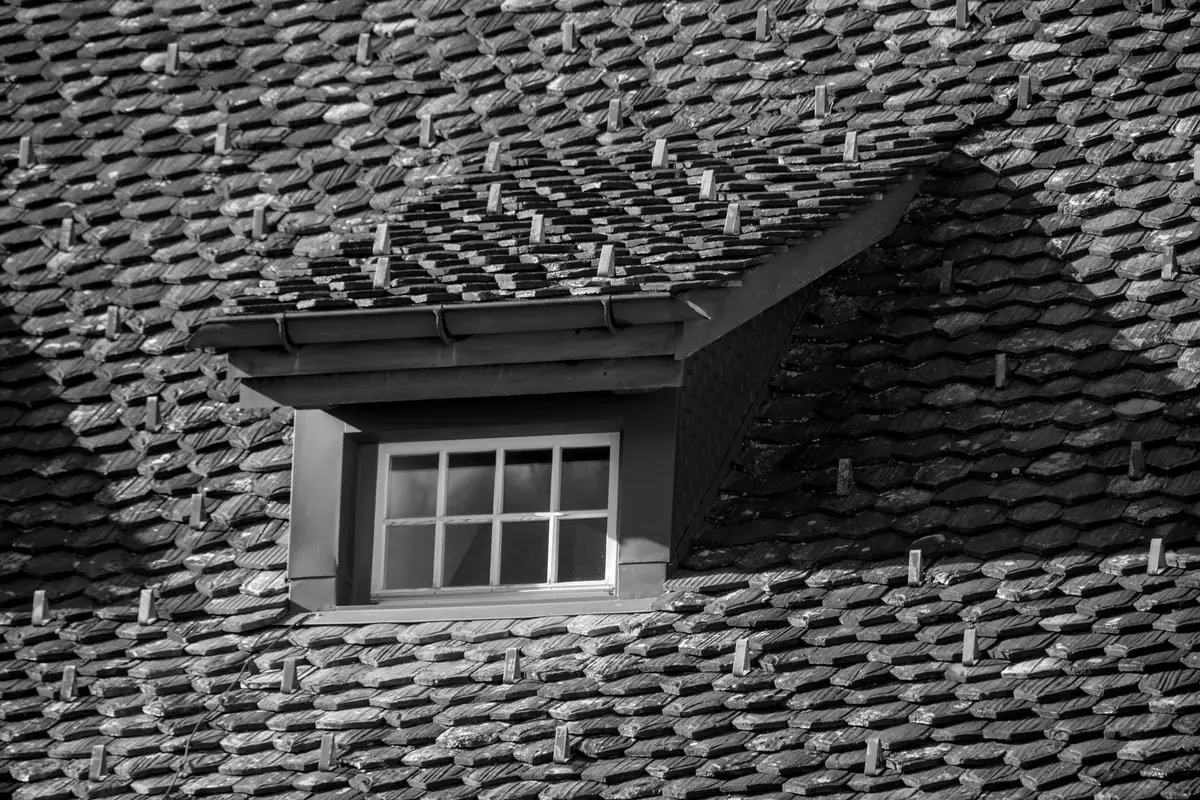
Normal
Snow resting on glass and melting off during the day is expected. Small amounts of frost on the inside glass on very cold mornings can also happen.
A problem
- Water stains after snowmelt.
- Ice ridges along the eaves near the unit.
- Cracked glass or a bent frame.
- Persistent drips.
Never do this
Do not hack at ice or snow with shovels or tools; you can damage glass and flashing and risk a fall.
In Sioux Falls
Snow and ice on a skylight are a normal winter sight in Sioux Falls. Large temperature swings between summer heat and winter cold stress seals and glazing. Compare written proposals side by side.
What to ask a provider
- Is the curb tall enough for local snow?
- Is there ice and water membrane around the unit?
- Should heat leaks around the shaft be sealed?
What to do when snow covers the skylight
- Wait and watch Snow often slides off as the roof warms.
- Check from inside Look for stains, drips or cracks.
- Stay off the roof Never climb on snow or ice.
- Look for ice at the edges Ice ridges at eaves can force water under shingles.
- Book an inspection in spring or fall A roofer can check flashing and sealant.
Areas covered
Questions homeowners ask
Can snow break a skylight?
Properly built units handle normal snow. Damaged or older glass is more at risk.
Is frost inside a skylight a leak?
Usually it is condensation. See the leak versus condensation guide.
General information for homeowners, not legal, insurance, health or other professional advice. Conditions in your home may differ; the provider who inspects it has the final word.